
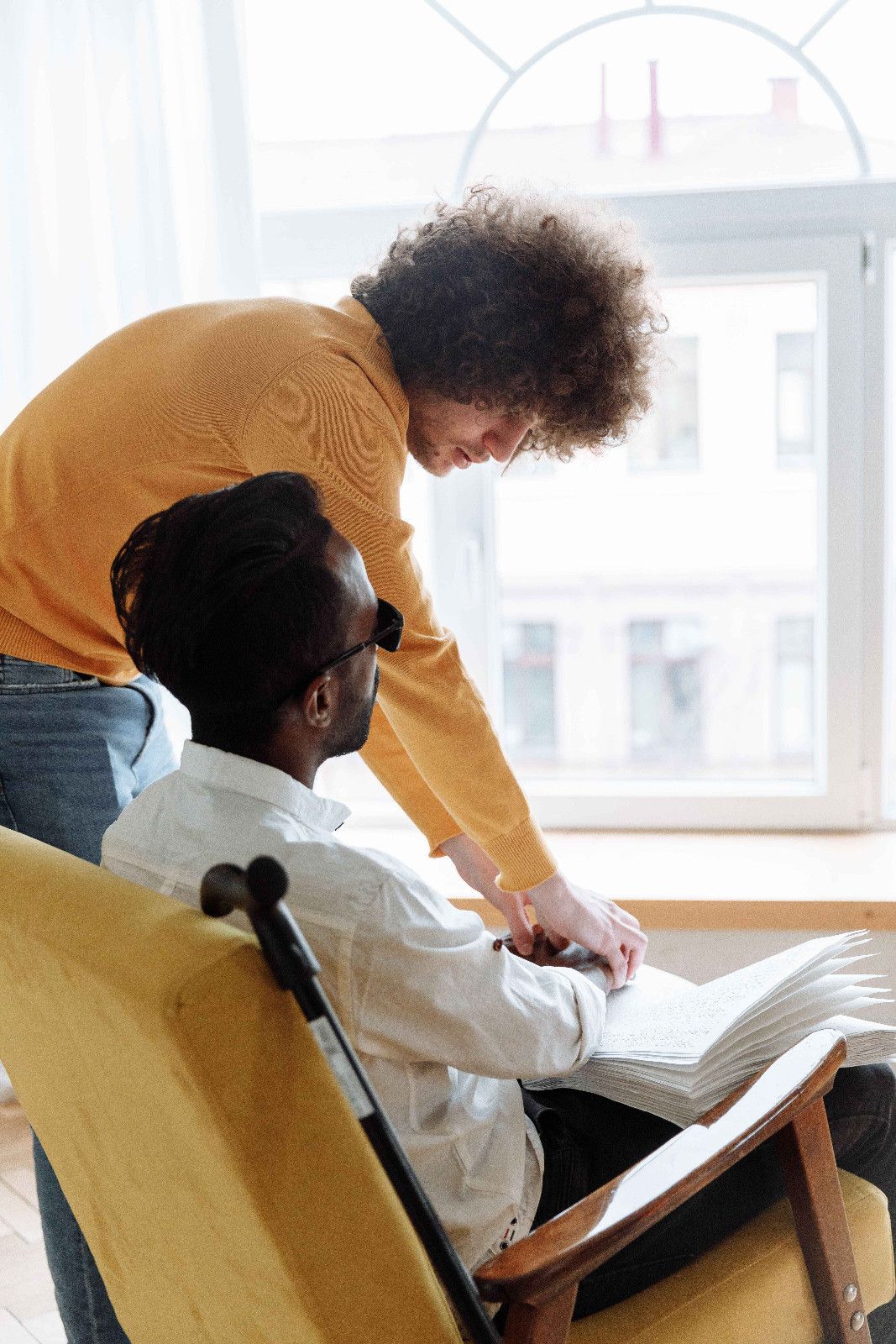
Understanding Behaviour Support
Behaviour is a natural part of how people communicate, interact with the world and respond to their environment. Sometimes behaviours can create challenges for the individual, their family or the people supporting them. When this occurs, understanding the reasons behind behaviour becomes essential.
Behaviour does not occur in isolation. It may be influenced by communication, health, relationships, environment, sensory experiences, emotional wellbeing and past experiences. By understanding these influences, it becomes possible to develop supports that address underlying needs rather than simply responding to behaviour itself.
All behaviour serves a purpose. Sometimes behaviour may be a way of communicating a need, expressing discomfort, seeking connection, avoiding something difficult or responding to a situation that feels overwhelming. When behaviour is viewed through this lens, the focus shifts from managing behaviour to understanding the person and supporting them more effectively.
Specialist Behaviour Support is an evidence-based service designed to improve quality of life and reduce behaviours of concern through proactive and person-centred approaches. Positive Behaviour Support provides the framework that underpins this work, focusing on human rights, inclusion, quality of life and meaningful participation.

Rather than asking, “How do we stop this behaviour?”, behaviour support seeks to understand, “What is this behaviour communicating and how can we better support the person?”
Capacity Building and Skill Development
Long-term outcomes are achieved when individuals and support networks have the skills and confidence needed to navigate challenges effectively.
Behaviour support therefore focuses not only on understanding behaviour but also on developing practical skills that increase independence, improve communication and strengthen participation in everyday life.
Building the capacity of families, carers and support teams is equally important in creating sustainable outcomes.
independence
communication
everyday participation
family/carer/team confidence
Restrictive Practices
Restrictive practices are interventions that restrict a person’s rights or freedom of movement.
While they may sometimes be used to address immediate risks, they can also have a significant impact on a person’s quality of life and wellbeing.
Contemporary behaviour support focuses on reducing and eliminating restrictive practices wherever possible through proactive support, skill development and environmental adjustments.
This approach promotes dignity, autonomy and inclusion while maintaining safety for everyone involved.
A Collaborative Approach
Effective behaviour support is rarely achieved by one person working alone.
Meaningful outcomes are created when participants, families, carers, support workers, educators and allied health professionals work together towards shared goals.
Collaboration helps ensure that strategies are practical, consistent and aligned with the individual’s needs, strengths and aspirations.
By building strong partnerships, behaviour support can create positive and lasting change across multiple areas of a person’s life.
participants
families/carers
support workers
educators
allied health professionals
Behaviour Support FAQs
Specialist Behaviour Support helps understand why behaviours occur and develops practical, person-centred strategies that improve safety, participation and quality of life.
Positive Behaviour Support is a rights-based framework focused on improving quality of life, understanding behaviour, reducing restrictive practices and building practical skills and supports.
Specialist Behaviour Support may be suitable for children, adolescents and adults who require support to understand behaviours of concern, build skills and improve quality of life.
No. Behaviour support can also help build skills, improve communication, strengthen support networks and create environments that better support an individual’s needs.
NDIS funding may be relevant for some referrals. Suitability, goals and funding can be discussed during the referral or enquiry process.
Yes. Referrals can be made by participants, families, guardians, support coordinators, schools, service providers, allied health professionals and other representatives.
Lumen aims to acknowledge referrals within 2 business days.
Every individual’s situation is different. The duration of support depends on the person’s goals, needs and circumstances.
Services are available across the Perth Metropolitan Area. Regional Western Australia may be considered subject to service availability.